Exactly How UV Direct Exposure Influences Water Resistant Fabrics
Water-proof textiles are crafted to shield us from rainfall, wind, and dampness-- yet there is one pressure of nature that silently antagonizes them with time: ultraviolet (UV) radiation from the sunlight. Whether you are an exterior traveler, a seafarer, or just somebody who leaves gear in the sun, understanding how UV exposure degrades water-proof textiles can aid you expand the life of your financial investment and preserve trustworthy defense when you require it most.
Recognizing Just How Water Resistant Fabrics Are Constructed
Prior to diving into UV damage, it helps to recognize what makes a textile waterproof. A lot of water resistant materials depend on one or more of 3 devices: a securely woven base material, a laminated membrane such as Gore-Tex or eVent, and a Sturdy Water Repellent (DWR) coating put on the outer surface. The DWR layer creates water to grain and roll off the fabric rather than taking in. Each of these elements is vulnerable to UV radiation in various ways, and prolonged sunlight exposure attacks every one of them all at once.
Exactly How UV Radiation Breaks Down Fabric at the Molecular Degree
UV rays lug enough energy to damage the chemical bonds within synthetic fibers. Most water-proof materials are made from nylon or polyester, both of which are vulnerable to a process called photodegradation. When UV photons strike these polymer chains, they can cut molecular bonds, causing the product to end up being fragile, weak, and discolored with time. This is why gear left in direct sunshine for extended durations often discolors in color and at some point begins to fracture or battle royal-- the structural honesty of the fiber itself is being jeopardized from the inside out.
The Impact on DWR Coatings
Just How DWR Deteriorates Under Sunshine
The DWR surface is the first line of protection on any waterproof-breathable garment, and it is additionally the most at risk to UV damage. DWR coatings are normally made from fluoropolymer or hydrocarbon-based compounds related to the surface of the textile. UV radiation speeds up the failure of these compounds, creating the finishing to lose its capacity to make water bead up and roll off. When this happens, the outer textile begins to soak up wetness-- a problem known as "moistening out." A wet external covering can not breathe effectively, which traps sweat inside and drastically reduces the garment's general convenience and performance.
Why Wetting Out Is an Indication
Many people camping tents for error moistening out for the waterproof membrane layer failing, however in most cases it is just the DWR that has actually degraded. The hidden membrane might still be undamaged, but a drenched external shell functions as an obstacle to breathability. Regular re-application of DWR therapies can momentarily bring back efficiency, yet UV-damaged fabric will certainly require more regular re-treatment than equipment kept far from sunlight.
Damages to Waterproof Membranes
Laminate Deterioration With Time
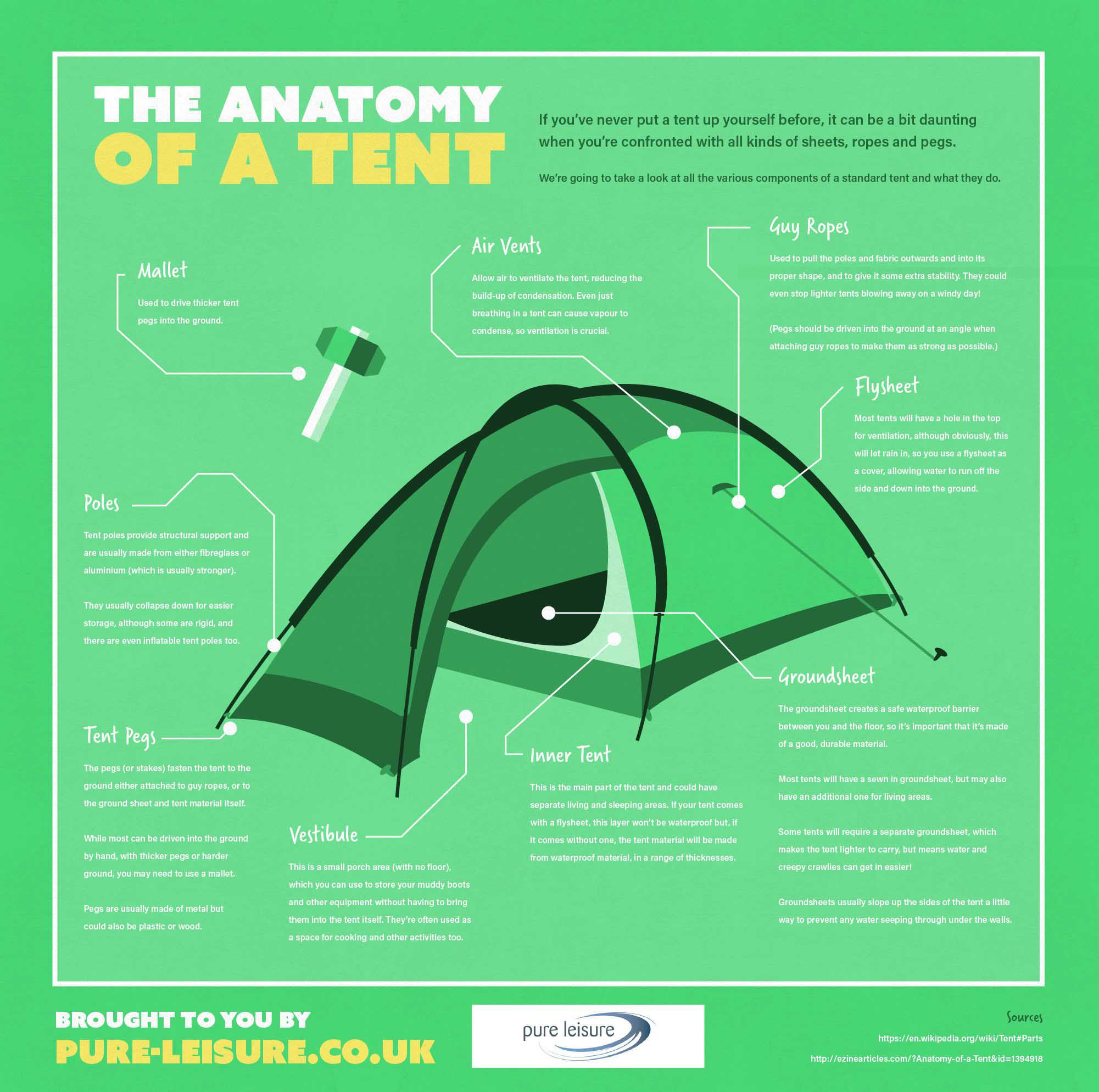
While water resistant membrane layers like Gore-Tex are extra resistant to UV than surface coverings, they are not immune. Prolonged UV exposure can gradually weaken the glue layers that bond the membrane to the face textile, leading to delamination-- a condition where the layers start to peel off apart. Once delamination begins, the textile loses its capacity to block wind and water properly. Tents, tarps, and coats that invest seasons in straight sunlight are specifically susceptible to this kind of failing.
Polyurethane Coatings and UV Level Of Sensitivity
Budget water resistant textiles frequently rely upon polyurethane finishings instead of laminated membranes. PU coatings are notably more sensitive to UV radiation than Gore-Tex laminates. UV direct exposure accelerates hydrolysis-- a chain reaction in between the finishing and wetness-- which creates PU layers to break, peel, and ultimately fail. Camping tent floors and rainfall flies made with PU finishings stored or utilized frequently in warm environments will certainly degrade dramatically faster than those kept in shaded or indoor problems.
Practical Tips to Secure Water Resistant Fabrics from UV Damage
Shop Equipment Far From Straight Sunlight
The easiest means to prolong the life of water-proof textiles is to save them out of sunshine when not being used. An awesome, dry, and dark area-- such as a wardrobe or equipment bag-- dramatically reduces photodegradation. Avoid leaving camping tents joined in open sunshine for days on end when not being used, and do not save equipment in a warm car where UV rays and heat combine to accelerate failure.
Usage UV-Protective Sprays and Therapies
A number of producers use UV-protective sprays created especially for exterior textiles. These items function likewise to sunscreen, absorbing or reflecting UV radiation prior to it can permeate and damage the fibers and finishings below. Using these therapies together with routine DWR re-application is a wise maintenance routine for any frequently used exterior equipment.
Select UV-Stabilized Fabrics When Purchasing New Gear
When looking for tents, tarpaulins, coats, or bags meant for high-sun environments, seek items that define UV stablizing or UV resistance in their products. Lots of top quality producers currently include UV inhibitors straight right into the fiber or covering throughout manufacturing, providing a significant standard of protection that prolongs the item's useful life-span.
Last Ideas
UV direct exposure is one of one of the most ignored dangers to water resistant fabrics, yet its impacts accumulate continuously with every hour spent in straight sunshine. From degrading DWR finishes to breaking down membranes and damaging base fibers, sunlight quietly reduces the life-span of your crucial exterior security. By comprehending how UV radiation works with these materials and taking simple preventative steps, you can maintain your waterproof equipment performing accurately for many periods ahead.